Open source · Prototype in development
RoamNeural Band
An open-source neural interface that reads your body, learns your patterns, and gives you precise control over any device—even under pressure.
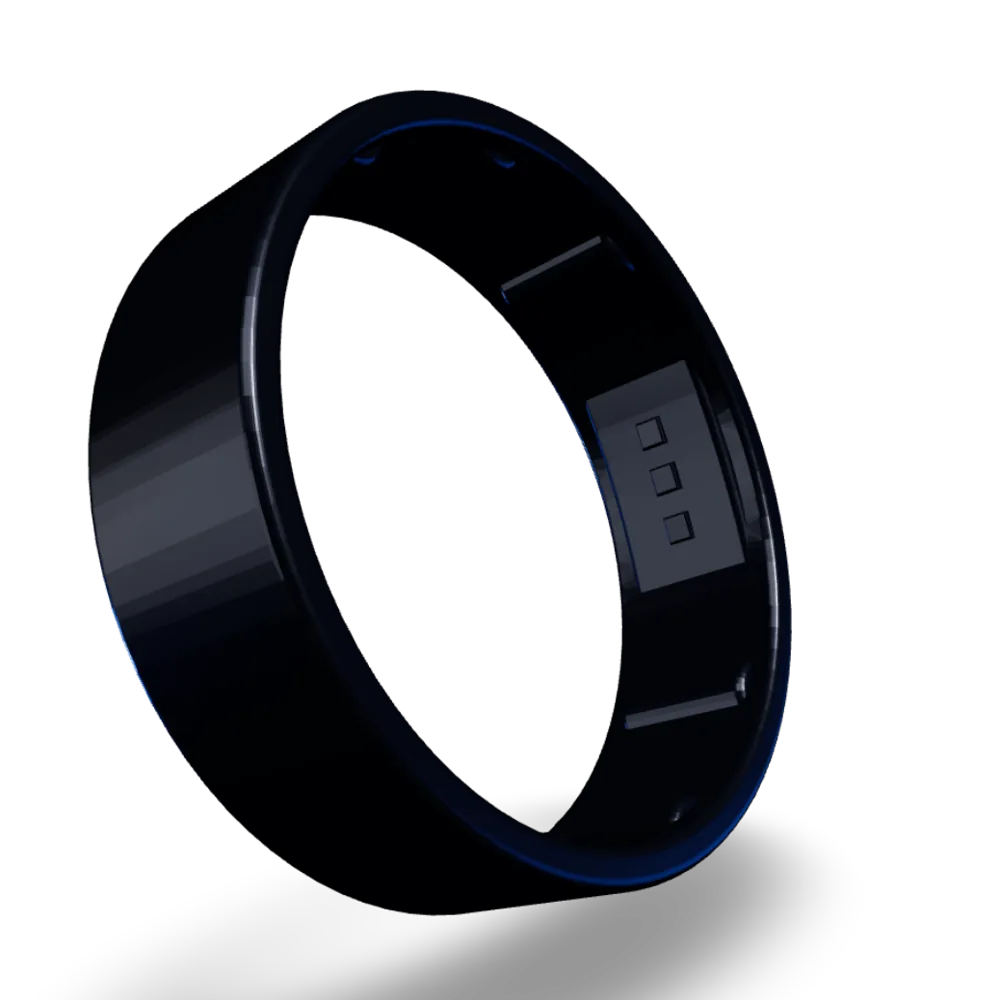
Overview
Your body. Your interface. Your control.
Roam is an open-source neural band that measures heart rate, muscle contractions, and electric signals—then uses AI to learn your unique patterns. It adapts to your stress and fatigue in real time, giving you reliable device control when it matters most. Built open, so every user can configure it to their needs.
Neural Control
EMG and electric signal sensing translates your muscle intent into precise device commands—no buttons, no screens, just you.
Adaptive Intelligence
AI/ML learns your specific patterns and adapts to fatigue and stress. When you're under pressure, the band dampens controls to prevent mistakes.
Open Source
Fully open hardware and software. Configure sensor thresholds, control mappings, and AI models to fit your exact use case. Run AI on-device to minimize costs.
Capabilities
What the band is being built to do
Dive deep into each capability and discover how Roam gives you an edge in high-stress environments.
Control devices with your body
EMG Signal Translation
Electromyography sensors capture the electrical activity in your muscles and translate micro-contractions into precise digital commands for connected devices.
Universal Device Control
Drones, robotic arms, industrial tools, surgical instruments—any Bluetooth-enabled device can be mapped to your muscle signals for hands-free operation.
Low-Latency Response
Sub-millisecond signal processing ensures your intent becomes action instantly—critical in high-stress, time-sensitive environments.
Hardware
Dry electrode EMG sensing
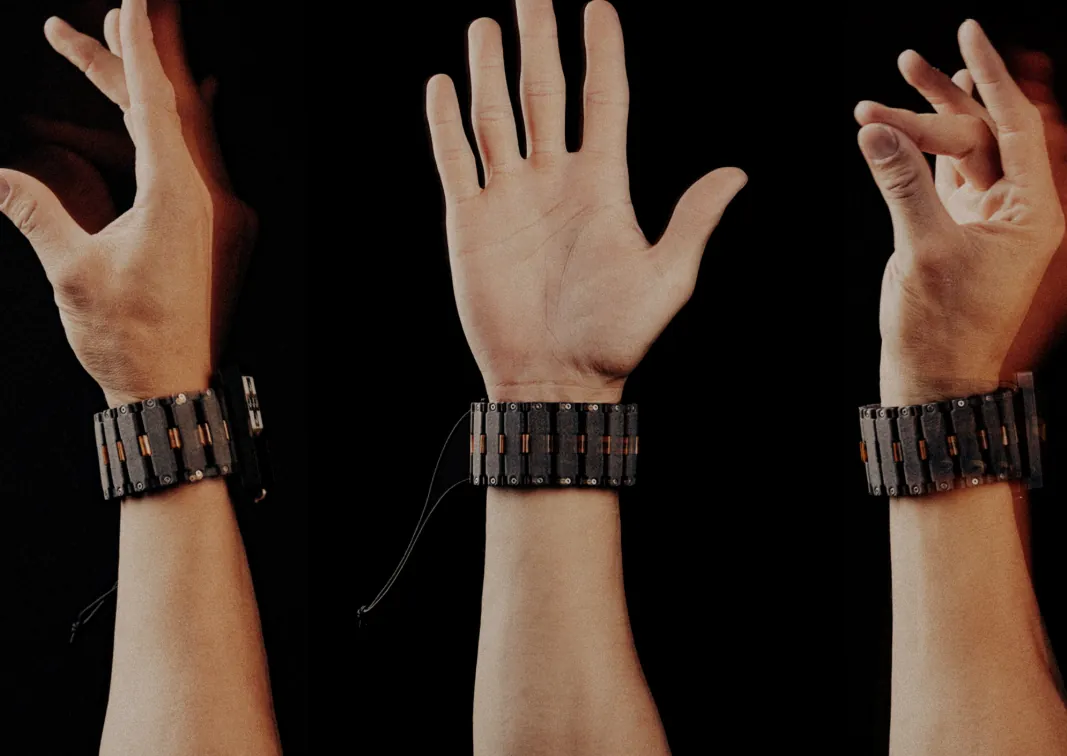
Each link in the band contains a solid dry electrode that conforms to your wrist shape—no gels, no prep, no consumables. The chain-link design ensures consistent skin contact as you move, adapting to your unique anatomy for reliable signal capture.
These electrodes measure electrical signals from hand gestures, wrist movements, and muscle contractions. The array captures both surface EMG for gesture recognition and deeper muscle tension for fatigue monitoring, amplified by an LMP91000 analog front-end and streamed via the Seeed XIAO nRF52840 over Bluetooth.
What the electrodes measure
- Surface EMG from forearm muscles—detecting finger and hand gestures
- Muscle tension levels for real-time fatigue and stress detection
- Electrical signal patterns unique to each user for personalized AI training
- Continuous muscle contraction data for adaptive control dampening
- On-device signal filtering and BLE streaming via nRF52840
Research foundation
Built on closed-loop EMG research
Kenneth Nishiyama, Roam's creator, was a Visiting Researcher at Miura Lab, Institute of Science Tokyo (Mar–Aug 2026), where he built closed-loop EMG fatigue-adaptive haptics: a system that estimates forearm muscle fatigue in real time and adapts force feedback to it. That work shapes how Roam approaches signal processing, fatigue estimation and feedback.
- 01
Sense
Wireless forearm EMG (Delsys Trigno) streams muscle activity in real time.
- 02
Estimate
An extended Kalman filter fuses a physiological fatigue model with EMG median-frequency drift to estimate fatigue as it builds.
- 03
Gate
An amplitude/spectrum gate is applied to the EMG signal within the loop.
- 04
Adapt
Force feedback on a Phantom Omni haptic device adapts to the estimated fatigue, closing the loop.
- 05
Personalize
Offline Bayesian optimization personalizes the loop to each user.
Pilot result
The closed loop was validated, and fatigue-model error fell by about 8× against dynamometer ground truth.
What carries over to Roam
The ideas, not the equipment. The lab setup used research-grade EMG and a desktop haptic device; Roam is a separate wearable built around its own dry electrodes.
Signal processing
Treating forearm EMG as a spectrum, not just an amplitude: median-frequency drift is a fatigue cue, and an amplitude/spectrum gate belongs in the pipeline from the start.
Fatigue estimation
Roam's Adaptive Dampening needs a fatigue signal it can trust. Fusing a physiological model with EMG features, instead of trusting either alone, is the approach the band is designed around.
Haptic feedback
Closing the loop through the body: the same idea behind adapting feedback to fatigue shapes how Roam plans to cue the wearer, as in Habit Breaking.
Roam is an independent open-source project. It does not use Miura Lab code or hardware, and it is not endorsed by Miura Lab or the Institute of Science Tokyo. Details beyond the public summary are not shared here.
Journey
From concept to prototype
From concept to reality—explore the evolution of Roam through our development milestones.
Milestone 01
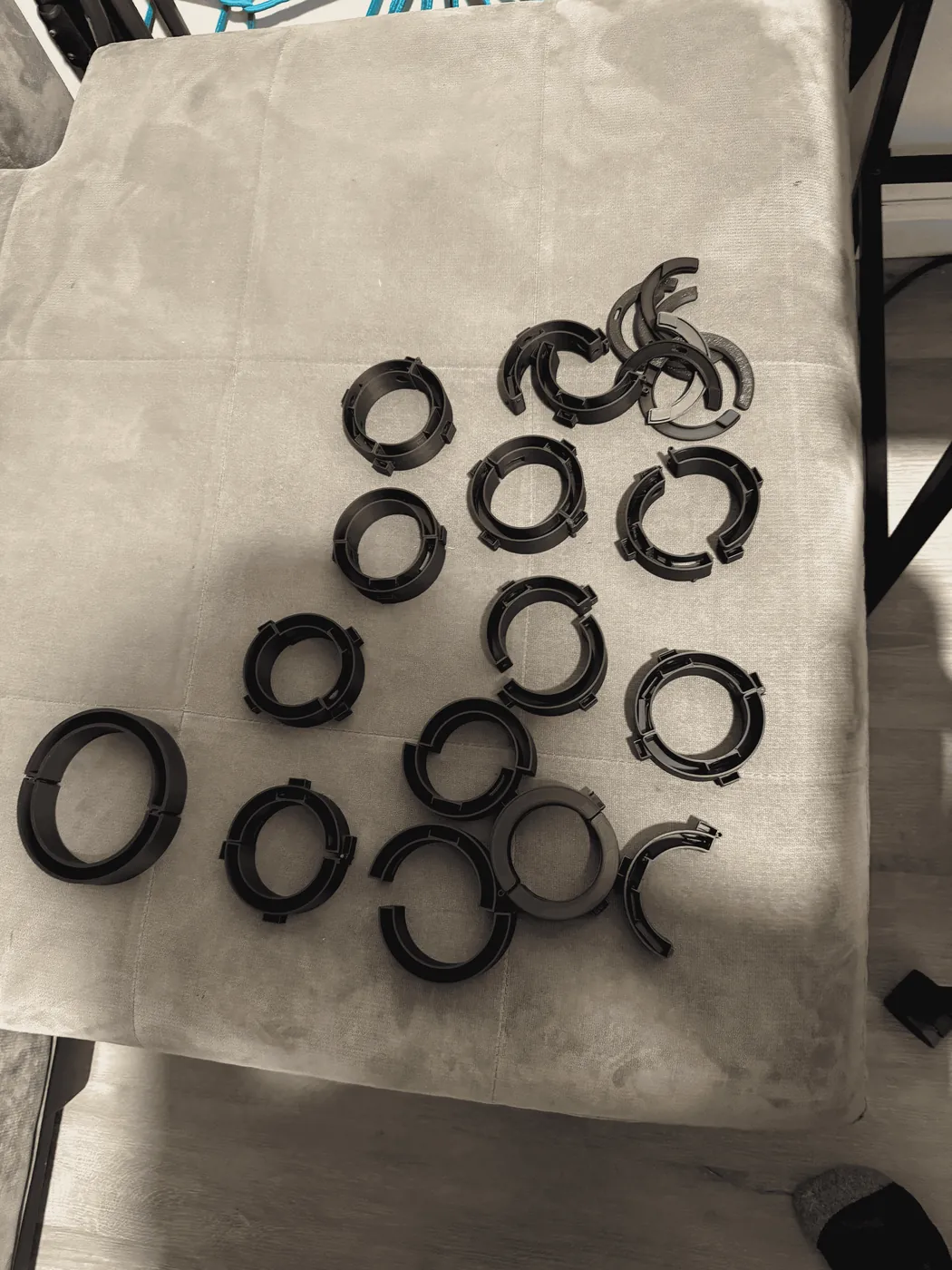
16 Iterations to Perfection
The path to the perfect prototype wasn't straightforward. It took 16 different iterations, each one teaching us something new about form, function, and sensor placement. Every prototype brought us closer to the ideal balance of comfort, wearability, and signal fidelity.
- Form factor optimization
- Sensor placement refinement
- Adjusting fits around wrist
- Minimal size optimization
Milestone 02
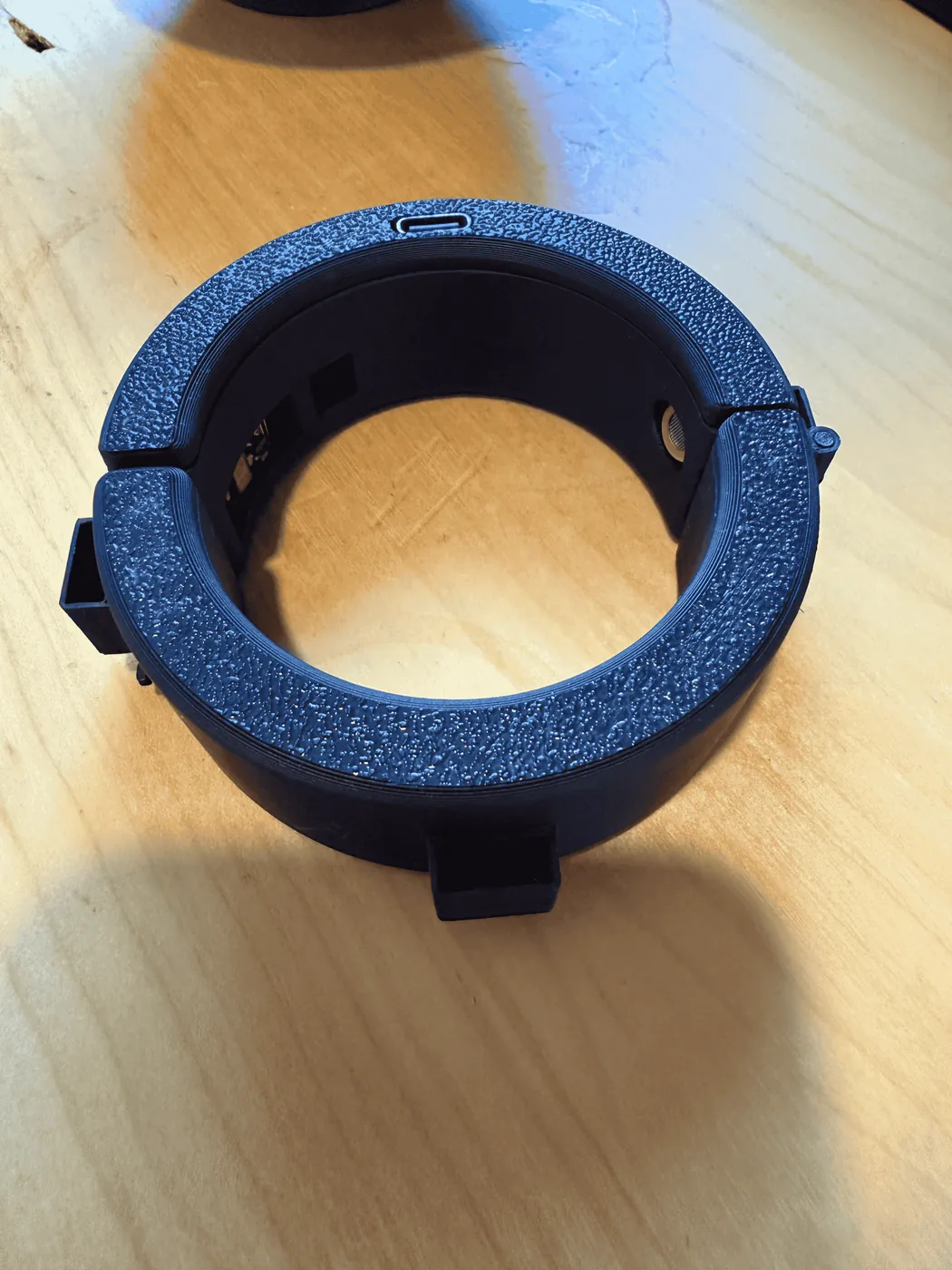
The First Working Prototype
This was the moment everything came together. The first working band that proved our concept was possible. It wasn't perfect, but it was real—a tangible proof that a neural control band could become reality.
- All sensors functional
- EMG signal capture validated
- Data optimization using AI
- Proof of concept validated
Milestone 03
Sensor Calibration & Testing
Extensive testing of various sensor configurations to understand signal quality, noise isolation, and optimal electrode placement. This phase was crucial for validating our approach and gathering training data for the AI models.
- EMG signal quality benchmarking
- Sensor calibration and validation
- Data collection for AI training
- Noise isolation and filtering
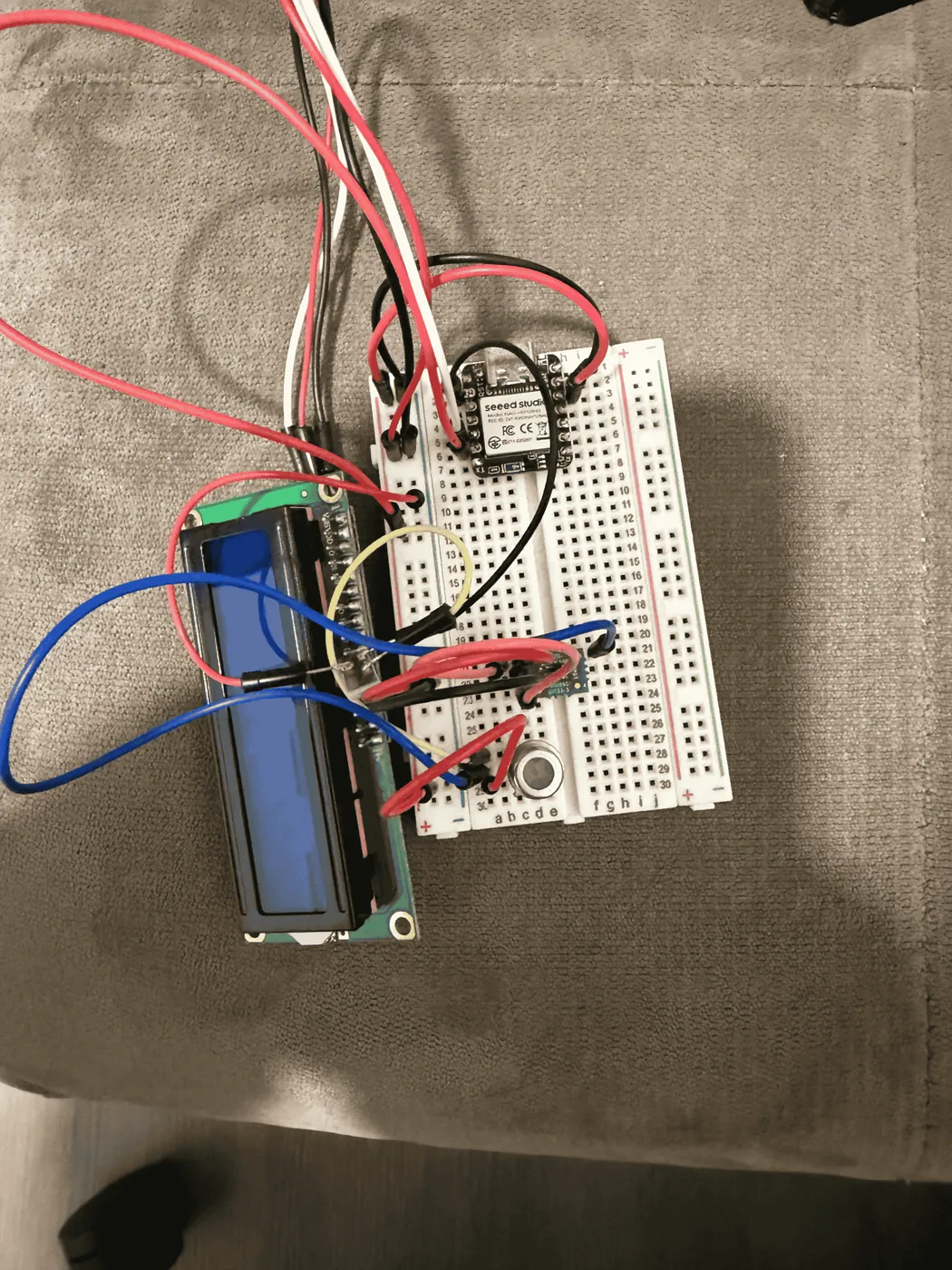
Currently in prototype development
Join the build
Roam is open source. Whether you're a hardware hacker, ML engineer, or someone who needs better device control—there's a place for you. Contribute or follow our progress.